
Choosing Shade Trees for Cedar Park Yards That Handle the Heat
Nothing lowers a Cedar Park summer like a mature shade tree. The right one drops the temperature around a house, cuts cooling bills, and grows more valuable every year — but only if the species can actually handle our heat, clay, and drought.
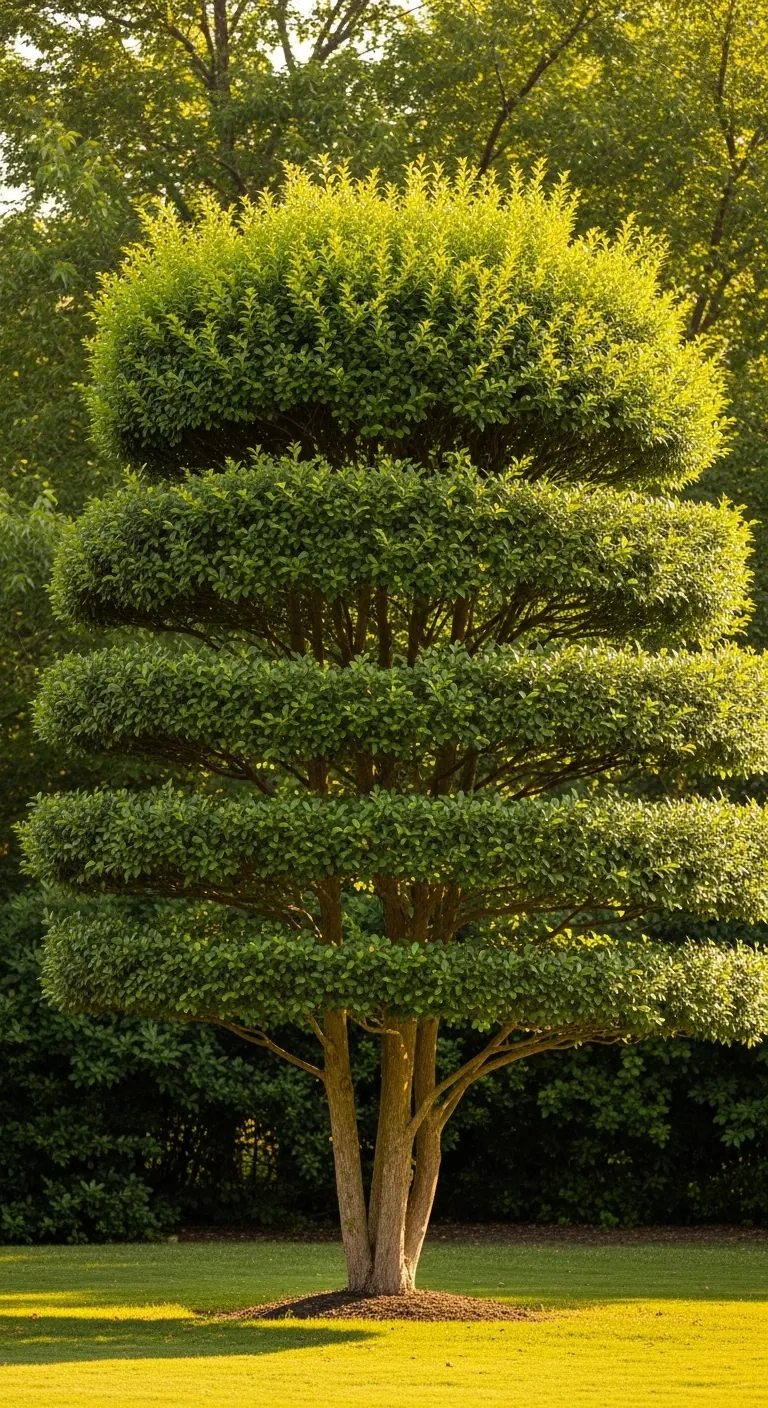
A shade tree is a long game. It is one of the few landscape investments that keeps paying off for decades, but it is also one of the easiest to get wrong, because a tree that struggles here will limp along for years before it becomes obvious it was the wrong choice. In Cedar Park, the winners are the species adapted to Central Texas conditions — heat, alkaline clay soil over limestone, and long dry stretches.
Species that thrive here
Live oak is the classic Central Texas shade tree for good reason: tough, evergreen, long-lived, and dependable in our soil. Cedar elm and bur oak both handle heat and clay well and give broad, deep shade. Chinquapin oak tolerates the alkaline limestone soils that trouble many trees. For faster shade, Mexican sycamore and Montezuma cypress grow quickly and stand up to the heat. Each has trade-offs in size, growth rate, and leaf drop, and the right pick depends on how much room the yard has and how fast you want the shade.
What to avoid
Some popular fast-growing trees are shortcuts you pay for later. Arizona ash, mulberry, and similar quick growers tend to be weak-wooded, short-lived, and prone to dropping limbs in storms. And any tree in the red oak family carries oak wilt risk here, which means careful timing and pruning practices. Matching the species to the site — and knowing what not to plant — is half the job.
Planting so it survives the first summers
Even the right tree fails if it is planted wrong. In our clay, the hole should be wide and no deeper than the root ball, with the root flare left at or slightly above grade so it does not sit in water. The critical part is the first two summers: a new tree needs deep, regular watering to establish its roots before it can fend for itself in the heat. Mulch out to the drip line, keep it off the trunk, and skip the heavy staking unless the tree really needs it. Get the establishment period right and the tree takes care of itself for the next fifty years.
Choosing and planting a shade tree well is worth doing once, correctly. Lopez Landscaping & Tree Service helps Cedar Park homeowners select the right species for their yard, plant it properly, and care for it through the establishment years — bilingual service available so every customer understands exactly what their new tree needs.
Thinking about adding shade to your yard?
We help select, plant, and care for shade trees suited to Cedar Park's heat and soil across the surrounding area.