Optimizing Fall Irrigation for a Healthy Lawn in Cedar Park
As Central Texas cools, adjusting your Cedar Park irrigation system is crucial to conserve water, prevent common fall lawn issues, and keep your landscape healthy through autumn.
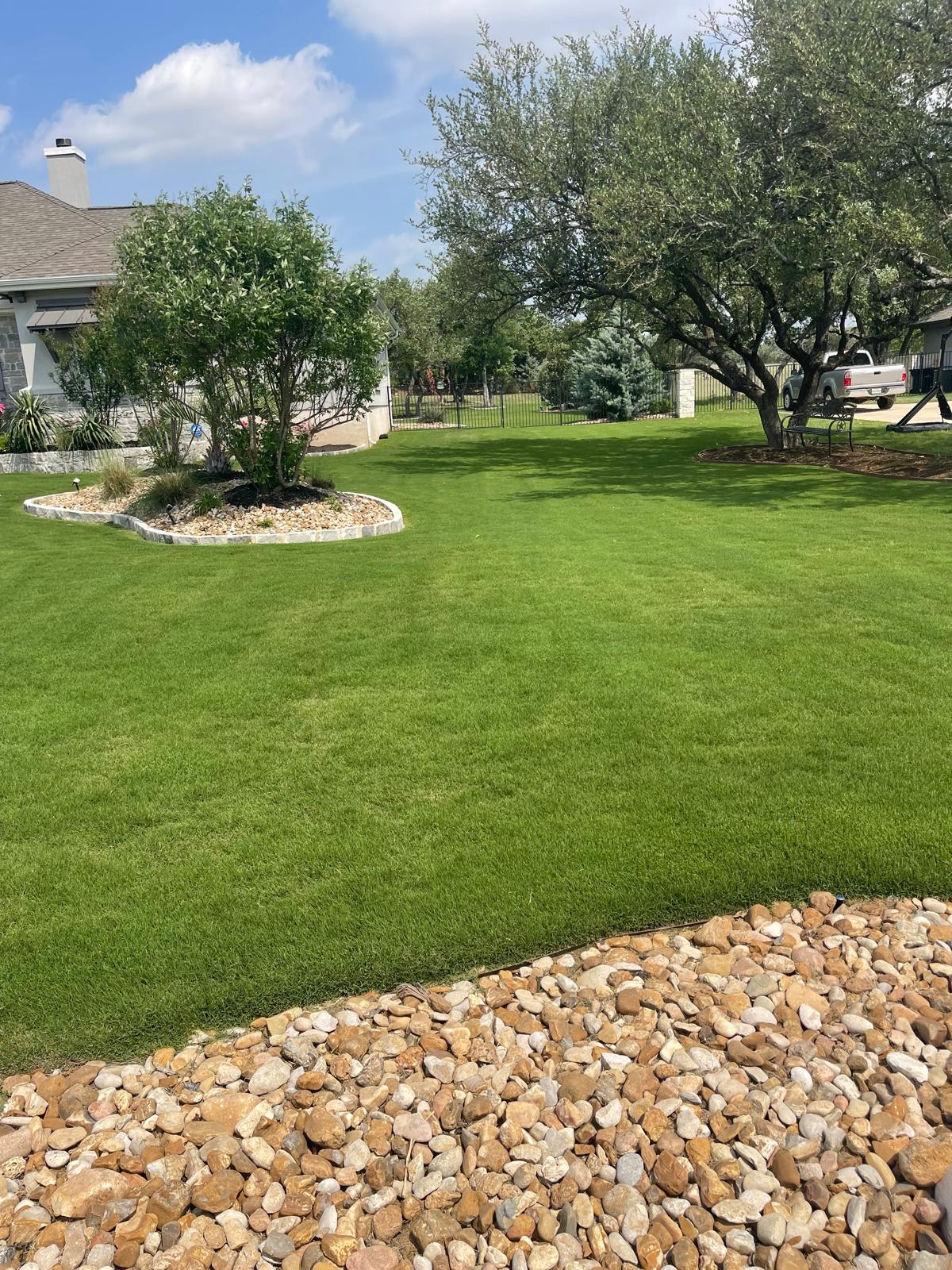
The scorching triple-digit days of summer in Cedar Park often leave our lawns and landscapes parched, leading many homeowners to keep their irrigation systems running at peak capacity. However, as August gives way to September, and the first hints of cooler weather start to arrive, a critical shift in watering strategy is needed. Continuing with a summer watering schedule into the fall can lead to wasteful water use, increased risk of fungal diseases, and a less resilient lawn when winter finally arrives. At Lopez Landscaping & Tree, we emphasize that fall is a prime time to re-evaluate and optimize your irrigation to set your Cedar Park yard up for success.
Why Fall Irrigation Needs Adjusting in Central Texas
The primary reason to adjust your watering schedule is a change in the environment. Cooler temperatures mean less evaporation from the soil surface and less transpiration (water loss) from plants. As daylight hours shorten, plants naturally require less moisture. Maintaining a summer watering regimen under these conditions often results in overwatering. Overwatering is not only a waste of precious resources and money on your water bill, but it also creates an ideal environment for common fall lawn diseases like Brown Patch fungus, which thrives in cool, wet conditions, especially in St. Augustine grass prevalent in Cedar Park.
Furthermore, consistent overwatering can lead to shallow root systems, making your grass more susceptible to drought stress once the next summer inevitably rolls around. A carefully managed fall irrigation schedule encourages deeper root growth, strengthening your lawn's resilience against both disease and future heat.
Key Steps for Fall Irrigation Optimization
1. Reduce Frequency, Not Necessarily Duration
Instead of watering for the same amount of time every other day, consider reducing the frequency of your watering while maintaining the duration to encourage deeper root penetration. For instance, if you were watering three times a week for 20 minutes per zone in summer, you might reduce it to twice a week for 20-25 minutes. This allows the topsoil to dry out between waterings, which discourages fungal growth, but still delivers water deeply to the roots.
2. Monitor Weather and Rainfall Closely
Fall weather in Central Texas can be unpredictable. We might experience sudden cold snaps, prolonged periods of dry weather, or significant rainfall. Invest in a rain sensor or smart irrigation controller that automatically adjusts your system based on recent precipitation. If Cedar Park receives a good soaking rain, you can likely skip your scheduled irrigation for a week or more. Regularly check soil moisture levels with a screwdriver or soil probe; if it's moist several inches down, your lawn doesn't need water yet.
3. Check for Leaks and Sprinkler Head Efficiency
Before winter arrives, perform a thorough inspection of your entire irrigation system. Look for broken sprinkler heads, clogged nozzles, or visible leaks that can waste significant amounts of water. Ensure that all sprinkler heads are properly aimed to water your lawn and plants, not sidewalks, driveways, or fences. Uneven watering can lead to dry spots and overwatered areas in the same zone, negating your careful schedule adjustments. Lopez Landscaping & Tree can provide professional irrigation audits to ensure your system is running as efficiently as possible.
4. Consider Zone-Specific Needs
Different areas of your Cedar Park yard will have varying water requirements. Sunny, exposed areas with turf grass will typically need more water than shaded garden beds with drought-tolerant native plants. Adjust your irrigation zones accordingly. If your system has multiple zones, customize the watering schedule for each based on sun exposure, plant type, and soil conditions. For instance, a shady St. Augustine lawn might need significantly less water than a sunny Bermuda grass patch.
5. Deep and Infrequent Watering
This principle is paramount in the fall. You want to deliver enough water to penetrate several inches into the soil, encouraging roots to grow deeper in search of moisture. This builds a stronger, more resilient lawn that can better withstand future stress. Shallow, frequent watering, on the other hand, promotes weak, surface-level roots and creates a perpetually damp environment that invites disease.
The Lopez Landscaping & Tree Advantage in Cedar Park
Optimizing your irrigation system for fall can feel like a complex task, especially with the unique climate and soil conditions of Cedar Park. Lopez Landscaping & Tree offers comprehensive irrigation services, from system inspections and repairs to complete overhauls and smart controller installations. Our experienced team understands the specific needs of Central Texas landscapes and can help you implement an efficient watering strategy that conserves water, promotes lawn health, and saves you money. We are committed to providing hardworking, dependable service to our Cedar Park community, ensuring your yard remains vibrant and healthy year-round.
Don't let your summer watering habits lead to fall lawn problems. Take the proactive step to adjust your irrigation system now. Contact Lopez Landscaping & Tree today for an estimate and let us help you optimize your Cedar Park landscape for the cooler months ahead. Our bilingual-friendly team is ready to assist you in making your yard as efficient and beautiful as possible.
Ready to plan the next step?
Lopez Landscaping & Tree can inspect, repair, and optimize irrigation systems throughout Cedar Park.
Request an Estimate