
Freeze Prep for Cedar Park Yards: Irrigation and Tender Plants
Hard freezes are not frequent in Cedar Park, but when one comes, unprotected irrigation parts and tender plants are the first casualties. Getting ready takes an afternoon.
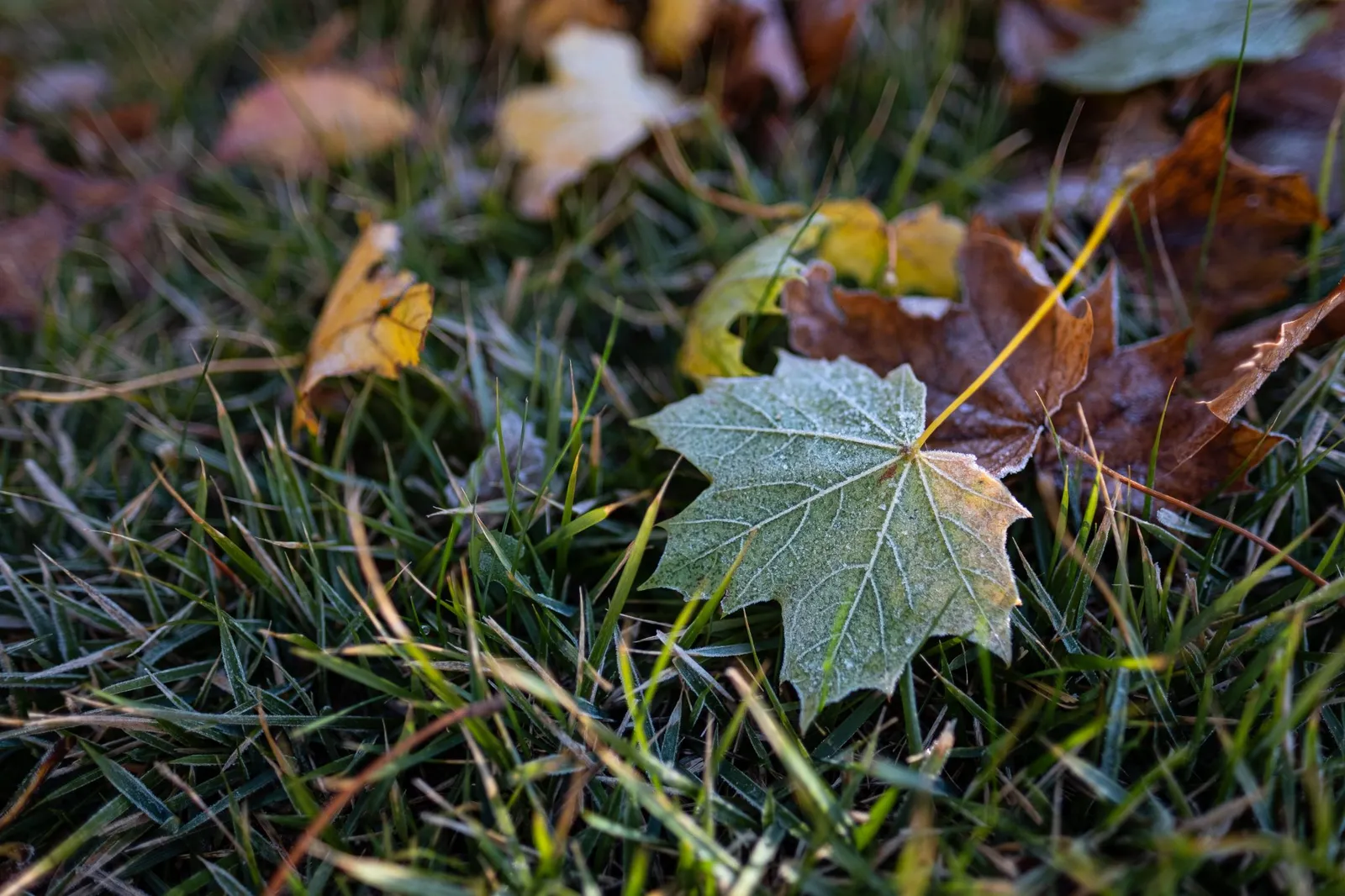
Central Texas winters are mild most of the time, which is exactly why freezes catch so many yards off guard. A single night in the low twenties can split an exposed backflow preventer, crack sprinkler parts, and turn tender plants to mush. The first freeze in the Cedar Park area usually arrives late in the fall or in early winter, and the time to prepare is before it shows up in the forecast.
The most vulnerable part of most irrigation systems is the backflow preventer, the brass assembly that usually sits above ground near the house or the water meter. Because it holds water and sits exposed to the wind, it can freeze and crack even when nearby buried pipes are fine. Insulate it with a purpose-made insulated cover, or wrap it with pipe insulation and a waterproof cover while leaving the test valves accessible. For a long or hard freeze, shut off the water supply to the irrigation system and drain the backflow preventer according to the manufacturer's instructions, or have a professional do it if you are not sure how.
Set the controller to off or rain mode before a freeze. Sprinklers running in freezing weather coat sidewalks, driveways, and streets with ice, waste water, and can damage plants under a heavy coating of ice. Many controllers can be paired with a freeze sensor that pauses watering automatically, which is worth considering if the system runs while you are away. Fall and winter watering needs are far lower than summer's anyway, so shortening run times as temperatures drop is good practice.
Disconnect garden hoses from outdoor faucets; a hose left attached can trap water that freezes back into the faucet. Insulated faucet covers are inexpensive and easy to put on. Drain hoses and store them, along with any patio drip lines that hold water.
Know which plants in your landscape are tender. Tropicals, many container plants, young citrus, and some perennials sold as annuals in Central Texas can be damaged or killed by a hard freeze. Move containers into a garage or up against a south-facing wall. For plants in the ground, frost cloth is the best tool: drape it over the plant all the way to the ground so it traps heat rising from the soil, and weigh down the edges. Do not let plastic sheeting rest on the leaves, since it conducts cold. Remove the covers when temperatures rise the next day so plants do not overheat.
If the soil is dry, watering plants a day or two before a freeze helps, because moist soil holds and releases more heat than dry soil. Do not water just as temperatures are dropping below freezing. A layer of mulch over the root zones of perennials and shrubs adds a little insulation.
If plants are damaged, resist cutting them back right away. The damaged tops give the crown some protection if more cold follows, and it can take weeks to tell what survived. Wait until the risk of freezing has passed in late winter, then cut back to live growth. Before turning the irrigation system back on, check for cracked fittings, leaks, and broken heads.
Lopez Landscaping & Tree builds landscapes, including irrigation and drainage, for homes and businesses in Cedar Park and surrounding communities. If you want help protecting yours this winter, or would like plantings that ride out Central Texas cold snaps better, reach out for a free estimate.
Want your landscape ready for the first freeze?
We design and install landscapes, irrigation, and drainage for Cedar Park properties. Free estimates.