
Planning a Backyard Fire Pit Area in Cedar Park
Cool fall and winter evenings are some of the best times to be outside in Central Texas. A well-planned fire pit area turns the backyard into a place to gather.
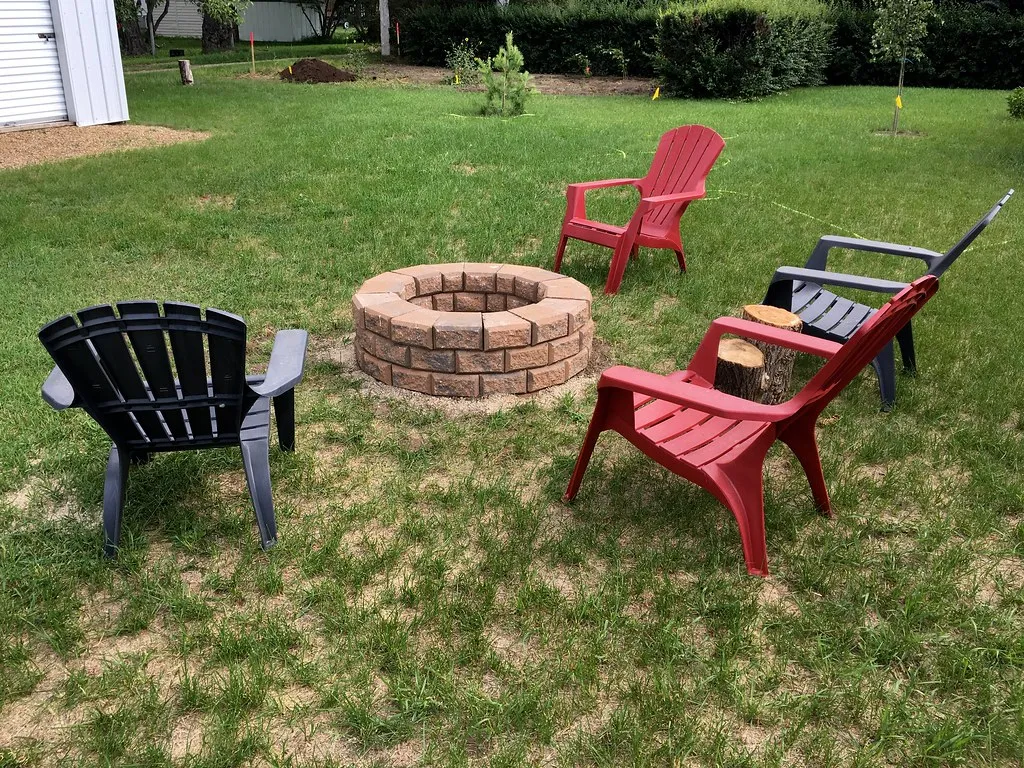
Once summer heat breaks, Cedar Park backyards become usable again in the evenings, and a fire pit is one of the most popular ways to make the most of them. A fire pit area can be as simple as a stone ring on a gravel pad or as involved as a built-in feature tied into a patio with seating walls. Either way, the details that make it safe and enjoyable are settled before the first stone is set.
Start with the rules. Your HOA may limit fire features or require approval, and your city or fire department may have requirements for open burning, distances from structures, and what kinds of fires are allowed. Counties in the area, including Williamson and Travis, issue burn bans during dry conditions, and those bans can affect when you can use a wood-burning pit. Check with your city and county before you build, so the design matches what you will actually be allowed to use.
Choose a spot well away from the house, wood fences, sheds, and overhanging tree limbs. Junipers and dry brush near the fire area are especially flammable. Think about the wind, too: a prevailing breeze that carries smoke into the house or across a neighbor's patio will make the pit much less pleasant. Leave room for seating in a comfortable circle with space to walk behind the chairs, and plan a clear path from the patio or back door that is easy to follow at night.
Wood-burning pits give the classic crackle and smell, and they are simpler to build. Gas fire features light with the turn of a valve, produce less smoke and fewer sparks, and require a gas line installed by a licensed professional. Some households choose gas specifically because of smoke or concerns from neighbors. Whichever you prefer, confirm what is allowed where you live before deciding.
The fire ring itself should be built for heat. A steel insert or a fire-rated liner inside a stone, block, or masonry surround protects the outer material and helps the pit last. Some stones, especially river rock and other dense stones that can hold moisture, can crack or even pop when heated, so they do not belong in the fire zone. Build drainage into the base so rainwater does not sit in the bottom of the pit.
The ground around the pit matters as much as the pit. Grass right up to the edge gets scorched and worn down by chairs and foot traffic. A pad of gravel, decomposed granite, flagstone, or pavers around the pit handles heat, sparks, and furniture, and gives the area a finished look. Keep wood mulch and dry plantings well back from the edge.
A few path lights and some low lighting around the seating make the space safe after dark without competing with the fire. Seating walls double as extra seats and help define the area. Store firewood away from the house and up off the ground.
Lopez Landscaping & Tree builds custom stone work, patios, and outdoor living spaces for homeowners in Cedar Park and surrounding communities. If you want a fire pit area that ties into your patio and landscape, contact us for a free estimate and we will help you plan the layout, materials, and surface around it.
Thinking about a fire pit this season?
We design and build stone work, patios, and outdoor living areas in Cedar Park. Free estimates.