
Pre-Emergent Weed Control in Cedar Park: Hitting the Spring Window Right
The early-March pre-emergent window in Central Texas is short, but missing it sets up the lawn for crabgrass and sandbur problems all summer. Here is how to time it right.
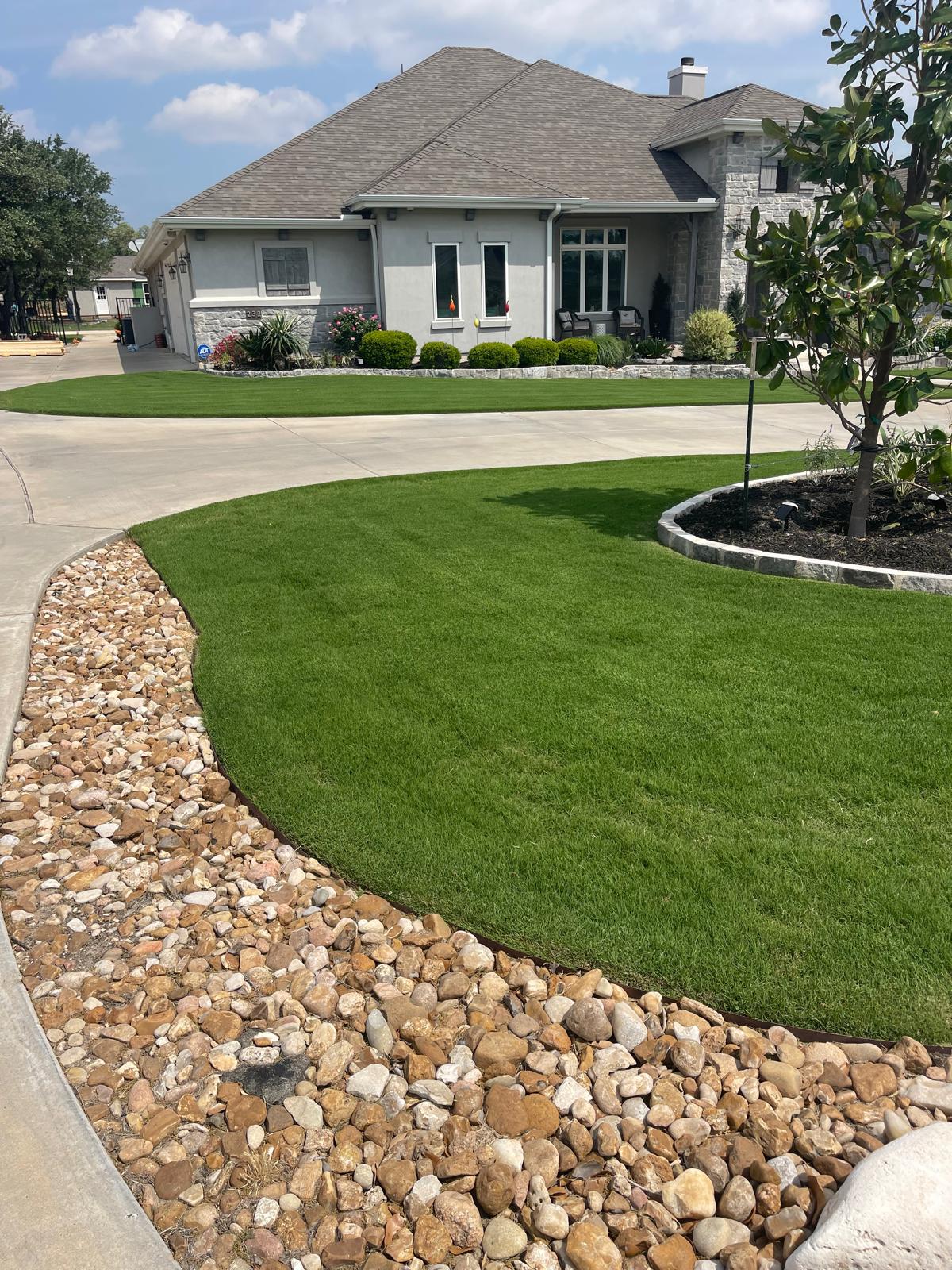
Pre-emergent herbicide is the single most effective tool in the Central Texas lawn care calendar, and it has a narrow window where it actually works. Apply too early and rain washes it past the soil layer where weed seeds germinate. Apply too late and the seeds have already broken dormancy. The first warm stretch of March is the sweet spot for most Cedar Park yards, and a single well-timed application carries the lawn through most of summer.
What pre-emergent actually does
Pre-emergent does not kill mature weeds. It forms a thin chemical barrier in the top half-inch of soil that prevents weed seedlings from establishing roots. That means timing matters more than rate. The product has to be in place before the seed germinates, and it has to be activated by water within a few days of application. Skipping the watering-in step is one of the most common reasons a pre-emergent fails.
Spring window in Cedar Park
Soil temperatures in Cedar Park typically hit the 55 to 60 degree threshold that triggers crabgrass germination in early to mid-March. The right application window is therefore the last week of February through the first ten days of March in most years. A second, lighter application about eight weeks later catches the later-germinating species like sandbur and goosegrass before they take hold in summer.
Product choice matters
Prodiamine and dithiopyr are the two most common professional pre-emergents for residential lawns in Central Texas. They control the same weed list with slightly different timing flexibility. Both are safe on established St. Augustine, Bermuda, and Zoysia at labeled rates. Trying to substitute a generic store-brand herbicide is one of the easiest ways to get a poor result, because rate and formulation matter as much as the active ingredient.
What pre-emergent will not do
Pre-emergent does nothing for weeds that are already growing. It does not control nutsedge well. It will not stop perennial weeds that come back from underground stems. Post-emergent spot spraying, hand-pulling, and good cultural practices — proper mowing height, deep watering, balanced fertility — fill in the gaps. A professional lawn care team in Cedar Park layers these tactics across the season instead of relying on any single product.
Working with new sod or recently seeded areas
One important exception to the spring pre-emergent rule: any area where new sod has been laid in the last sixty days, or where the lawn was seeded recently, should be skipped on the spring application. The chemistry that blocks weed seeds also blocks the new grass from establishing roots in the soil layer. The right approach is to leave those areas untreated for the first season, hand-pull the weeds that come up, and bring them into the regular pre-emergent program the following year. A Lopez crew flags these zones on the property and adjusts the treatment plan so the new turf gets a full season to root in.
Lopez Landscaping & Tree Service handles this kind of work across Cedar Park, Leander, Liberty Hill, and the surrounding communities. We are bilingual, licensed, and dependable from the estimate through the final cleanup.
Looking for a dependable Cedar Park crew?
Lopez Landscaping & Tree Service handles landscaping, lawn care, tree work, and outdoor projects across Cedar Park and the surrounding area. Free estimates, bilingual service.