
Winter Tree Pruning in Cedar Park: Why Late Winter Is the Best Window
Late winter is the cleanest window of the year to prune most Cedar Park shade trees. The leaves are off, the structure is visible, and disease pressure is lower than during the growing season.
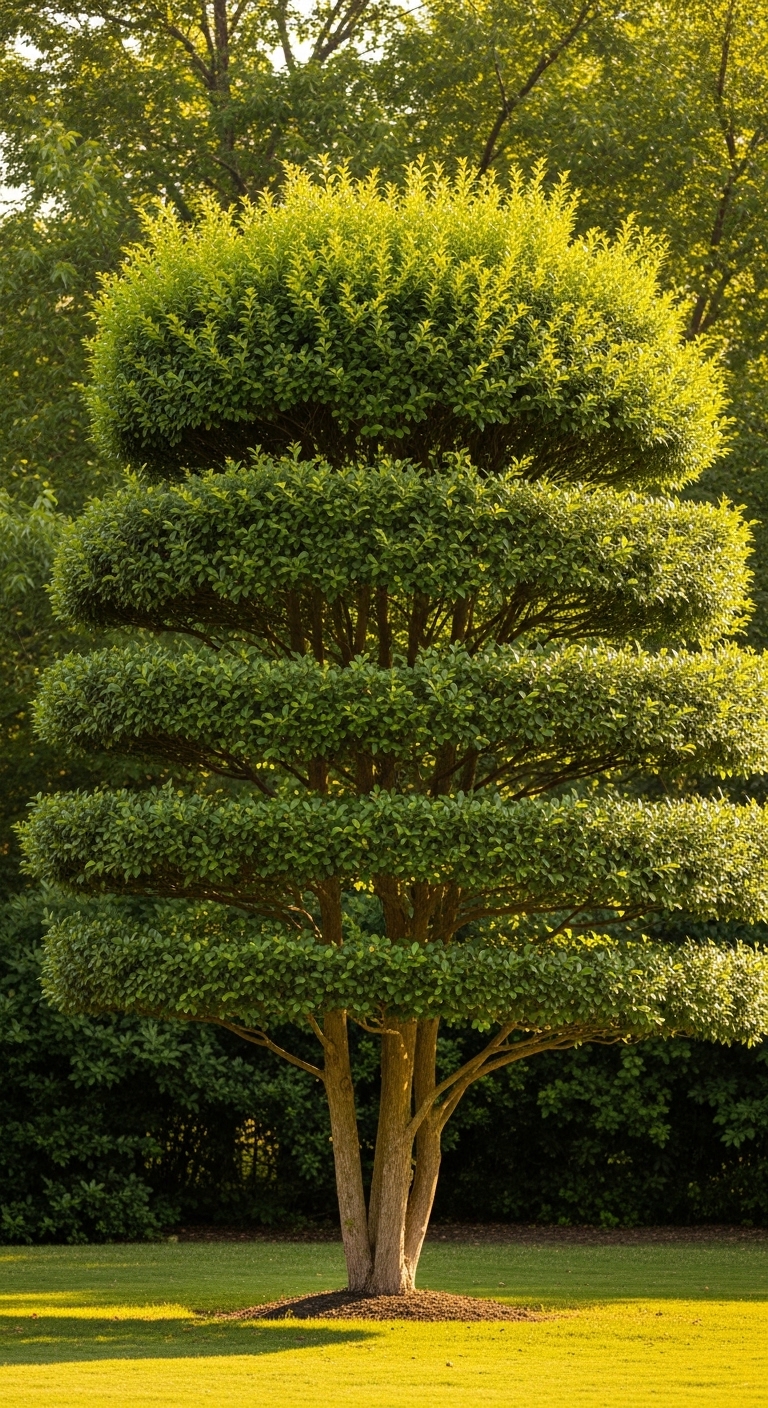
Most homeowners think of tree work as a spring or summer chore, but the best window for structural pruning on Central Texas hardwoods runs from mid-January through early March. Trees are dormant, sap movement is minimal, and cuts close cleanly before the wet weeks of late spring invite fungal pressure. A tree pruned in February heads into the growing season with a balanced canopy ready to push new growth where it actually helps the tree.
Why late winter beats other seasons
Summer pruning under Cedar Park heat stresses trees that are already working hard to hold their leaves and pull water. Fall pruning leaves open cuts during the wet window when oak wilt vectors are active across Central Texas. Late winter avoids both. The canopy is bare so the climber can see every crossing branch, every weak fork, and every dead limb that was hidden during the growing season.
Oak wilt and timing in Central Texas
Cedar Park sits inside the oak wilt zone, and the established guidance from the Texas A&M Forest Service is to avoid pruning live oaks and red oaks from February through June when the beetles that spread the disease are most active. The cleanest pruning window for oaks in this area is therefore mid-December through the end of January, and any oak cut made outside that window should be sealed immediately with pruning paint. This is one of the few cases where sealing wounds is the right call.
Structural pruning, not topping
A proper late-winter prune removes dead wood, crossing branches, weak attachments, and a small percentage of live limbs to balance the canopy. It does not top the tree. Topping — cutting back to stubs across the top of the canopy — produces weak regrowth, creates entry points for decay, and shortens the life of the tree. A clean structural prune leaves the tree looking lighter without leaving it looking butchered.
What homeowners can do versus what needs a pro
Small ornamental trees with no branches above shoulder height are reasonable DIY territory if the homeowner has clean, sharp pruners and understands collar cuts. Anything that requires a ladder, a chainsaw, or a climb is professional work. The risk of a fall, a kickback injury, or damage to the structure of the tree all rise sharply with height, and a single bad cut on a major limb can change the future shape of the tree for years.
What a clean prune looks like the next year
Done right, a late-winter prune is almost invisible. The tree leafs out in April with a fuller canopy than the year before, the dead limbs are gone, and the structure is balanced enough that the next round of spring storms passes through without damage. Done wrong, the tree responds with water sprouts — pencil-thin shoots all over the inside of the canopy — which means the cuts were too heavy and the tree is trying to replace its lost leaf area as fast as it can. A measured prune by an experienced Lopez crew across Cedar Park, Leander, and surrounding communities produces the first result and avoids the second.
Lopez Landscaping & Tree Service handles this kind of work across Cedar Park, Leander, Liberty Hill, and the surrounding communities. We are bilingual, licensed, and dependable from the estimate through the final cleanup.
Looking for a dependable Cedar Park crew?
Lopez Landscaping & Tree Service handles landscaping, lawn care, tree work, and outdoor projects across Cedar Park and the surrounding area. Free estimates, bilingual service.