
Xeriscaping Ideas to Cut Summer Water Use in Central Texas
By July, watering a thirsty Cedar Park yard can feel like pouring money into the ground. Xeriscaping is a smarter way to keep a landscape looking good through the heat while using a fraction of the water.
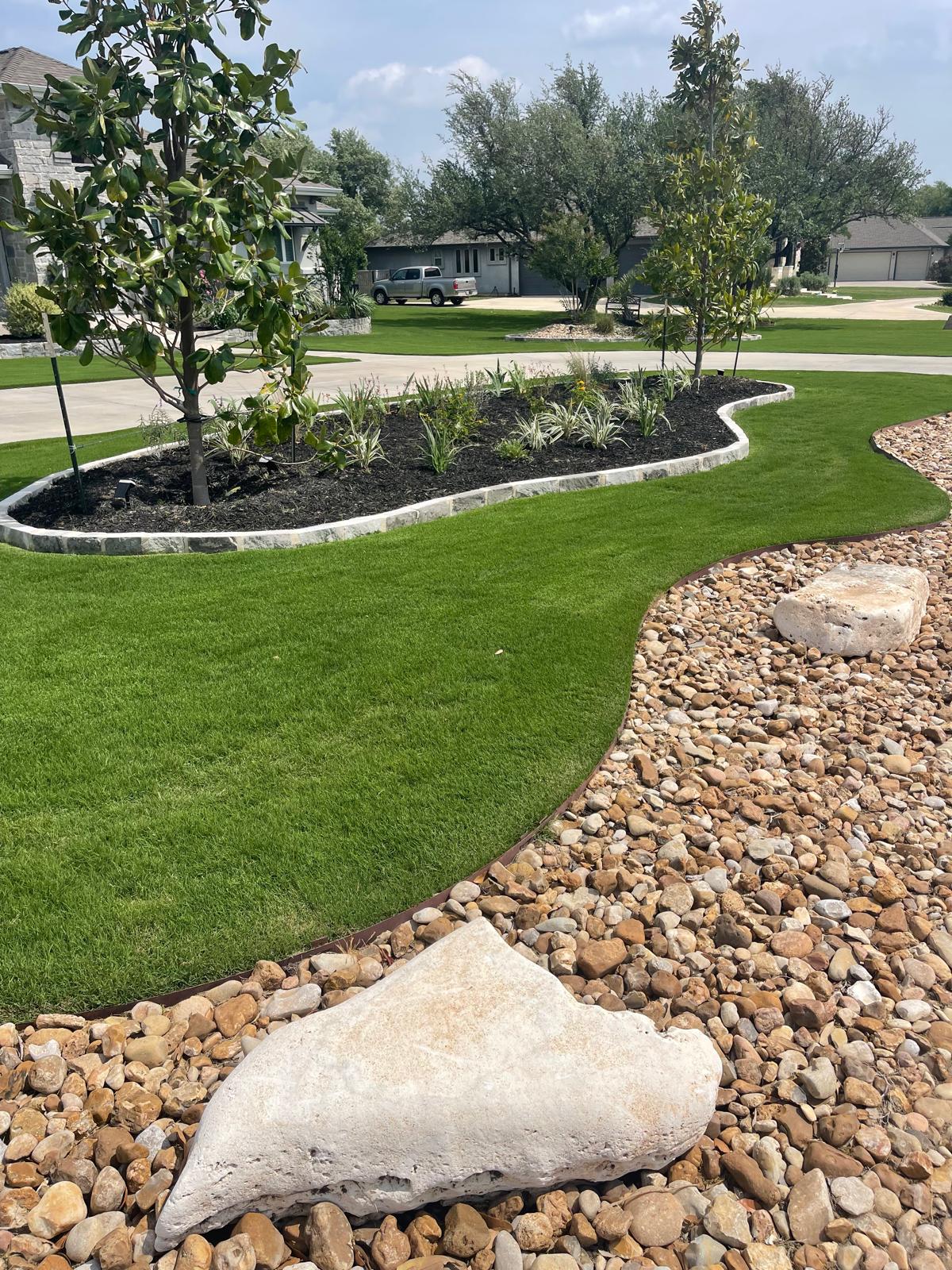
Xeriscaping has a bit of an image problem. A lot of people hear the word and picture a yard of gravel and cactus with nothing green in sight. That is not what xeriscaping actually means. It is simply landscaping designed to need little supplemental water, and a well-done xeriscape in Central Texas can be lush, colorful, and full of life. The goal is a yard that thrives on what our climate gives it, so that when summer arrives and water restrictions tighten, the landscape holds up instead of crisping at the edges.
Start with native and adapted plants
The single biggest water saver is choosing plants that already belong here. Texas sage, salvia greggii, lantana, blackfoot daisy, and Mexican feathergrass are built for our heat and clay soil, and they keep flowering and holding color through summer instead of going limp. For structure, yaupon holly and Texas mountain laurel anchor a yard without constant watering. These plants do need water to get established in their first season, but once their roots are set, they shrug off heat that would punish imported varieties. Building the landscape around them means the yard is naturally water-thrifty from the start.
Shrink the thirstiest part of the yard
Large open lawns are the heaviest water draw on most properties, especially the cool-season look people try to maintain through a Texas August. You do not have to remove all of it, but reducing the turf footprint makes a real difference. Replace strips and corners of lawn with drought-tolerant ground covers like frogfruit, silver ponyfoot, or horseherb, which stay green with far less water. Decomposed granite paths, river rock beds, and stone borders fill space attractively while reducing how much surface needs irrigation at all.
Group plants by how much water they need
A common mistake is mixing thirsty and drought-tolerant plants in the same bed. When that happens, the whole bed gets watered to satisfy the thirstiest plant, which wastes water and stresses the tough ones. Zoning the yard so that any higher-water plants sit together near the patio or in shaded edges, while the drought-tolerant plants take the open sun, lets you water each area to its actual need. This kind of grouping is one of the core ideas behind xeriscaping and one of the easiest to apply.
Mulch heavily and use shade as a tool
Two to three inches of mulch over every bed is one of the highest-value moves in a xeriscape. It keeps soil cooler, slows evaporation, and cuts down on the watering each plant needs. Shade works the same way on a larger scale: trees and tall shrubs placed on the south and west sides drop ground temperatures noticeably and protect more delicate plants beneath them. A xeriscape that uses mulch and shade deliberately holds moisture in the soil far longer between waterings.
Water smarter, not more
Even a water-wise landscape needs some irrigation, and how that water is delivered matters. Drip lines put water directly at the roots where it is needed instead of spraying it into the air to evaporate. Watering early in the morning, before the heat and wind take their share, makes every gallon count. And watering deeply but less often trains roots to grow down toward moisture, which makes plants far more resilient when the weather turns harsh. These habits stretch a small amount of water a long way.
A xeriscape is not about giving up a beautiful yard — it is about designing one that fits the place it lives. Lopez Landscaping & Tree Service designs and installs water-wise landscapes around Cedar Park and Central Texas, so your yard looks good in spring and still holds up in the worst of the summer heat.
Want a yard that uses less water?
We design and install xeriscapes and drought-tolerant landscapes built for Central Texas heat, soil, and water rules. Native plants, smart layout, clean finish.